WARNING:DO NOT BUY FROM THESE SCAMMERS, FAKE KNOCK-OFF SITES: canadasteroiddepot.ca, canadasteroidsdepot.com, steroidsshopcanada.ca/canada-steroid-depot-navigating-the-complex-world-of-online-anabolic-steroid-markets/, canadasteroiddepot.shop/ [THESE ARE FAKE WEBSITES TO SCAM CLIENTS. WE ONLY SELL FROM THIS SITE!] | We ship from Canada to Canadians only | No duty • No customs • No cross borders
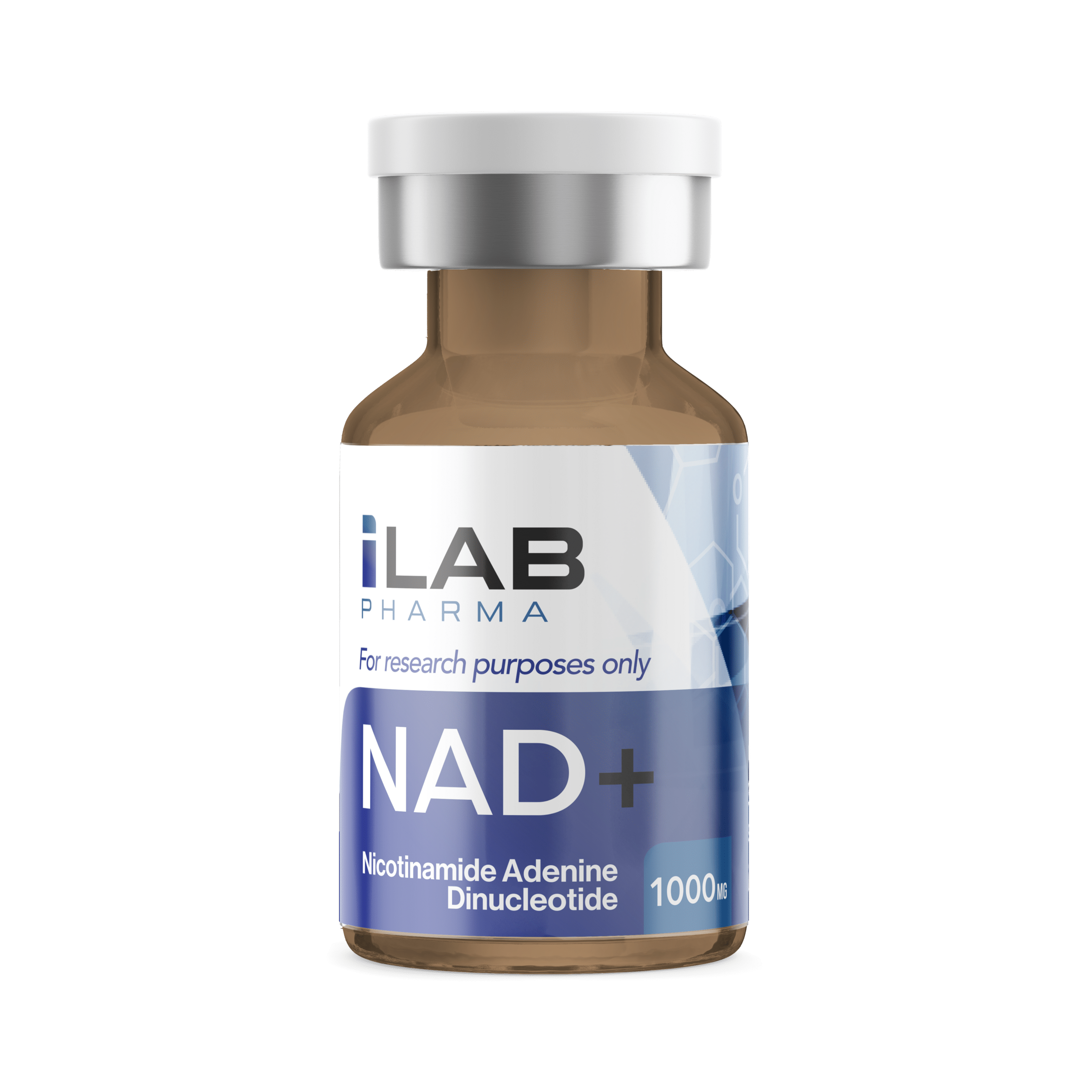
NAD +1,000 mg (nicotinamide adenine dinucleotide) is a critical coenzyme involved in cellular energy metabolism, DNA repair, and mitochondrial function, Clinical research has primarily employed intravenous infusions at high doses, though subcutaneous administration at lower doses is emerging as a practical maintenance route. This educational protocol presents a once‑daily subcutaneous approach with gradual titration for improved tolerability.
Reconstitute: Add 3.0 mL bacteriostatic water → 333.3 mg/mL concentration.
Typical daily range:50–100 mg once daily subcutaneously (gradual titration from lower doses).
Easy measuring: At 333.3 mg/mL, 1 unit = 0.01 mL = 3.33 mg on a U‑100 insulin syringe.
Storage: Lyophilized: freeze at −20 °C (−4 °F); after reconstitution, refrigerate at 2–8 °C (35.6–46.4 °F) for up to 14 days; protect from light and avoid freeze–thaw cycles.
Dosing & Reconstitution Guide
Educational guide for reconstitution and daily dosing
Standard / Gradual Titration Approach (3 mL = 333.3 mg/mL)
Week
Daily Dose (mg)
Units (per injection) (mL)
Week 1
50 mg
15 units (0.15 mL)
Week 2
75 mg
22.5 units (0.225 mL)
Weeks 3–8
100 mg
30 units (0.30 mL)
Weeks 9–12
100 mg
30 units (0.30 mL)
Weeks 13–16
100 mg
30 units (0.30 mL)
Frequency: Inject once daily subcutaneously. This gradual titration protocol begins at 50 mg daily to assess tolerance, as starting too high can produce adverse reactions such as insomnia, anxiety, or fatigue[4]. Most individuals find doses in the 50–100 mg range well‑tolerated after ramp‑up[5]. The 3.0 mL dilution keeps per‑injection volumes practical and allows for accurate unit measurements on standard insulin syringes.
Reconstitution Steps
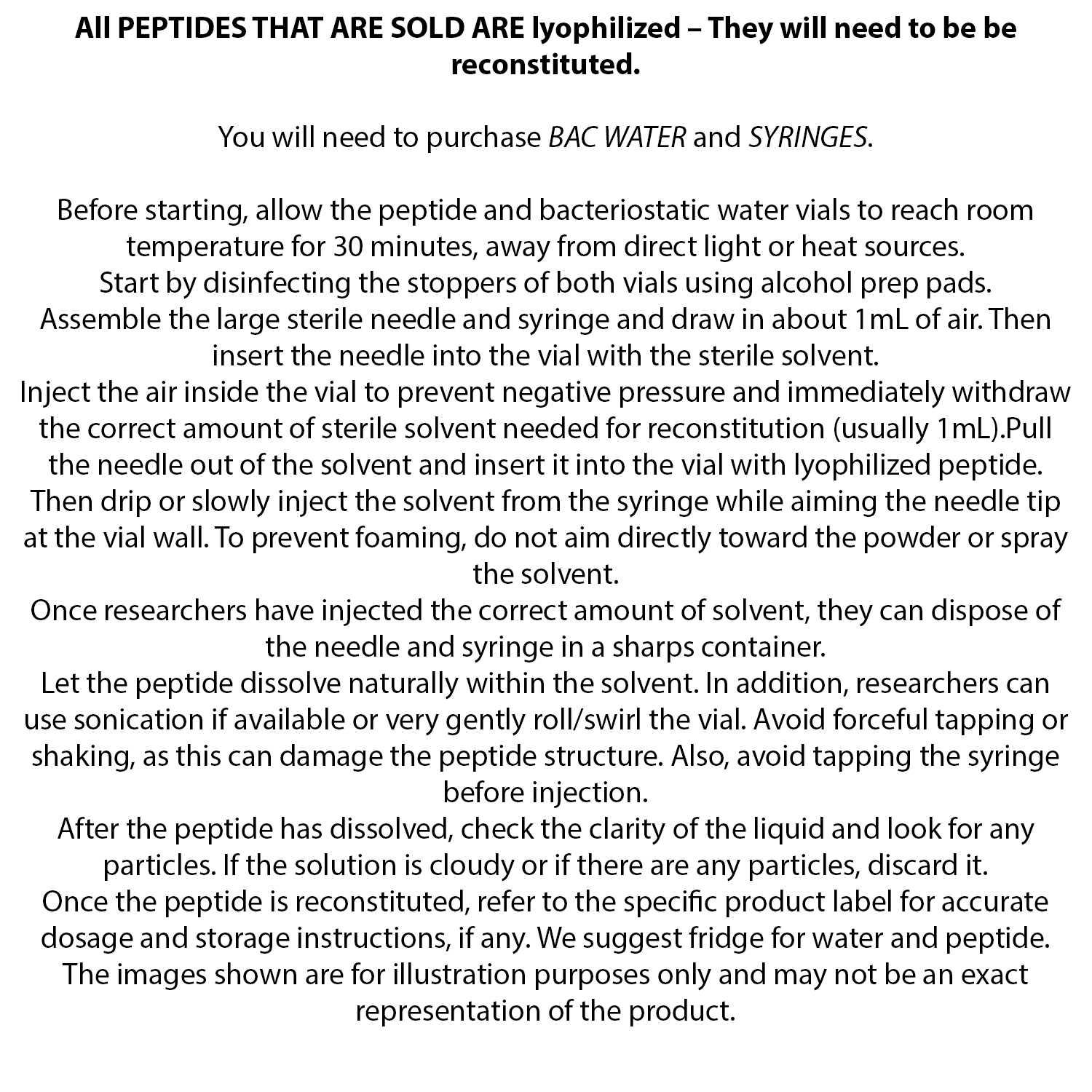
Allow the lyophilized vial to reach room temperature before opening to minimize moisture condensation.
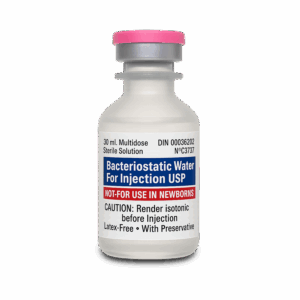
Draw 3.0 mL bacteriostatic water (0.9% benzyl alcohol) with a sterile syringe.
Inject slowly down the vial wall to avoid foaming; do not aim directly at the powder.
Gently swirl or roll the vial until the powder fully dissolves (do not shake vigorously).
The resulting solution should be clear and colorless. If discoloration or precipitate appears, discard.
Label with the reconstitution date and refrigerate at 2–8 °C (35.6–46.4 °F), protected from light.
Use within 14 days; inspect before each use for clarity.
Note: Each 0.01 mL (1 unit) contains approximately 3.33 mg of NAD+. Example conversions: 50 mg = 15 units; 75 mg = 22.5 units; 100 mg = 30 units.
Supplies Needed
Plan based on an 8–16 week daily protocol with gradual titration as outlined above.
Peptide Vials (NAD+, 1000 mg each):
8 weeks ≈ 6 vials (total 5,075 mg used)
12 weeks ≈ 8 vials (total 7,875 mg used)
16 weeks ≈ 11 vials (total 10,675 mg used)
Insulin Syringes (U‑100, 1 mL):
Per week: 7 syringes (1/day)
8 weeks: 56 syringes
12 weeks: 84 syringes
16 weeks: 112 syringes
Bacteriostatic Water (30mL bottles):Use 3.0 mL per vial for reconstitution.
Protocol Overview
Concise summary of the once‑daily subcutaneous regimen.
Goal: Support cellular energy metabolism, DNA repair pathways, and mitochondrial function through exogenous NAD+ supplementation[1].
Schedule: Daily subcutaneous injections for 8–16 weeks with gradual dose titration.
Dose Range: 50–100 mg daily; start low (50 mg) and increase by ~25 mg weekly as tolerated.
Reconstitution: 3.0 mL per 1000 mg vial (333.3 mg/mL) for accurate unit measurements.
Storage: Lyophilized powder frozen at −20 °C (−4 °F); reconstituted solution refrigerated at 2–8 °C (35.6–46.4 °F) for up to 14 days; protect from light.
Dosing Protocol
Suggested daily titration approach for subcutaneous administration.
Start: 50 mg daily for Week 1 to assess individual tolerance.
Escalation: Increase by 25 mg in Week 2 (75 mg daily); advance to 100 mg daily by Week 3 if well‑tolerated
Maintenance: Continue at 100 mg daily for Weeks 3–16 (or adjust based on response and tolerability).
Frequency: Once per day, subcutaneous injection.
Timing: Any consistent time of day; some users prefer morning administration.
Site Rotation: Rotate injection sites systematically (abdomen, thighs, upper arms) to prevent tissue buildup.
Storage Instructions
Proper storage is critical to preserve NAD+ stability and potency.
Lyophilized (Unopened): Store at −20 °C (−4 °F) or below (ideally −80 °C for multi‑year storage) in a dry, dark environment[6]. Minimize moisture exposure as NAD+ powder is hygroscopic.
Reconstituted Solution: Refrigerate at 2–8 °C (35.6–46.4 °F) and use within approximately 14 days[7]. Keep protected from light (UV exposure degrades NAD+).
Avoid Freeze–Thaw Cycles: Do not repeatedly freeze and thaw reconstituted NAD+ solution, as this reduces potency.
Inspection: Before each use, inspect the solution for clarity. A fresh NAD+ solution should be clear and colorless. Discard if discoloration, cloudiness, or precipitate develops.
Important Notes
Practical considerations for consistency, safety, and optimal results.
Use new, sterile insulin syringes for each injection; dispose of used needles in a proper sharps container.
Rotate injection sites systematically (abdomen at least 2 inches from navel, outer thighs, back of upper arms) to reduce soreness and prevent lipohypertrophy.
Clean both the vial stopper and injection site with alcohol swabs; allow skin to air‑dry before injecting.
Inject slowly over 5–10 seconds to minimize tissue irritation; wait a few seconds before withdrawing the needle.
Document daily dose, injection site, and any observed effects to maintain consistency and track tolerance.
If persistent redness or a lump develops at injection sites, apply over‑the‑counter hydrocortisone cream and rotate to a different location.
Starting at the low end (50 mg) is recommended to assess individual tolerance before escalating dose
How This Works
NAD+ is a coenzyme central to redox reactions, energy metabolism (glycolysis, TCA cycle, oxidative phosphorylation), and cellular maintenance pathways including DNA repair and mitochondrial biogenesis[1]. Cellular NAD+ levels decline with age and metabolic stress, which may contribute to reduced mitochondrial function and impaired cellular resilience
Clinical research on NAD+ therapy has primarily used intravenous infusions at high doses (500–1,000 mg) for applications such as addiction treatment and acute metabolic support. A pilot metabolic study demonstrated that a 750 mg NAD+ IV infusion over 6 hours was well‑tolerated in humans, with rapid metabolic clearance and no acute toxicity. However, IV administration requires clinical supervision and specialized equipment.
Subcutaneous (SC) or intramuscular (IM) injections at lower doses (tens to low hundreds of milligrams) are emerging as practical alternatives for maintenance therapy and wellness applications. Compounded NAD+ can be administered SC in small volumes, and SC self‑injection is convenient for ongoing use. Conservative protocols start around 50–100 mg per injection a few times per week; the present protocol uses daily SC administration with gradual titration to optimize individual tolerance and response.
Potential Benefits & Side Effects
Observations from preclinical models and clinical case reports.
Potential Benefits (Reported in Literature)
May support cellular energy production and mitochondrial function through replenishment of NAD+ pools
Human case reports and pilot studies suggest benefits at 100–300 mg/day ranges for cognitive support and metabolic health
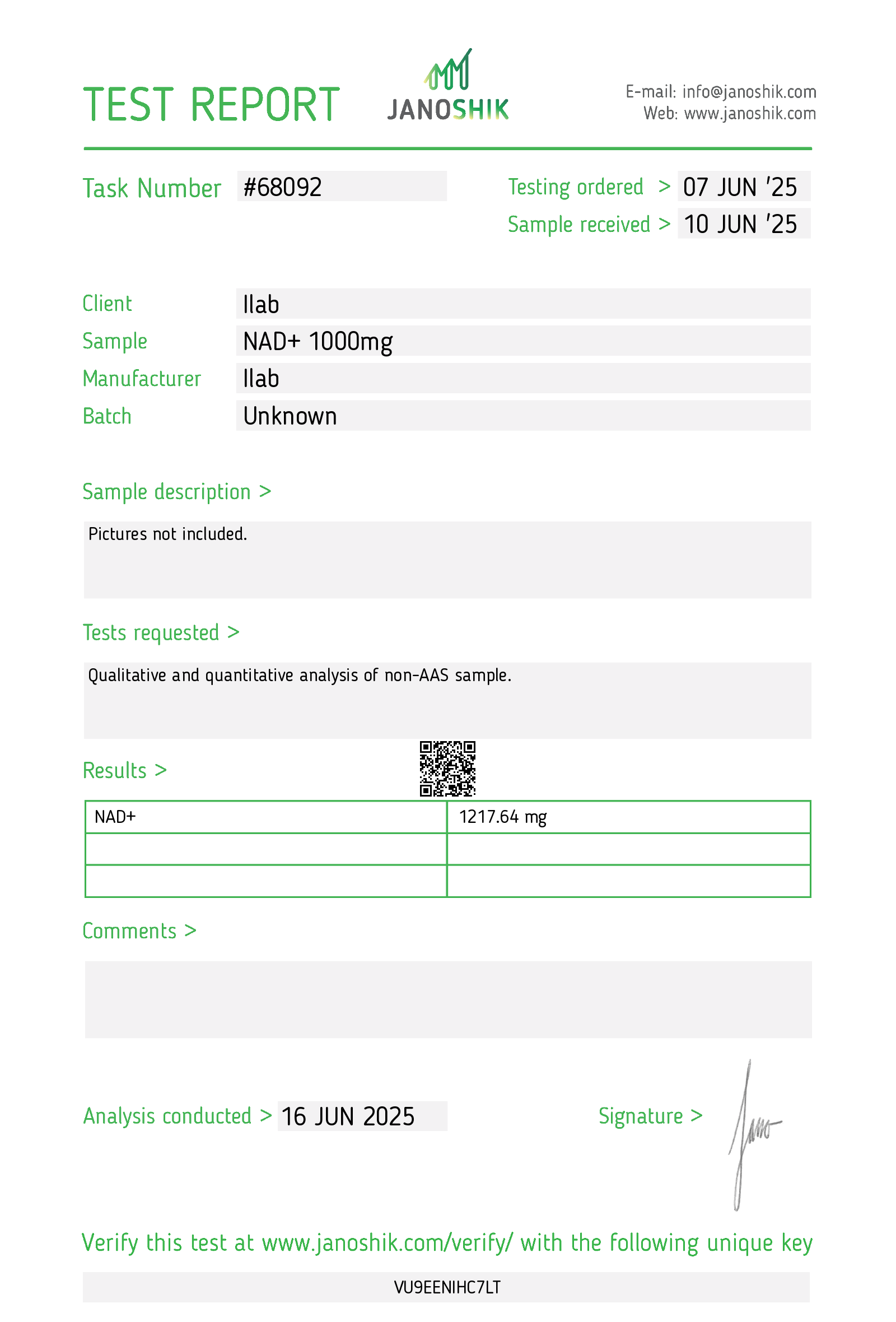
This item:NAD+ 1,000 mg (Quantitative and qualitative analysis second image)$248.06$248.06
NAD+ (nicotinamide adenine dinucleotide) is a critical coenzyme involved in cellular energy metabolism, DNA repair, and mitochondrial function, Clinical research has primarily employed intravenous infusions at high doses, though subcutaneous administration at lower doses is emerging as a practical maintenance route. This educational protocol presents a once‑daily subcutaneous approach with gradual titration for improved tolerability.
Reconstitute: Add 3.0 mL bacteriostatic water → 333.3 mg/mL concentration.
Typical daily range:50–100 mg once daily subcutaneously (gradual titration from lower doses).
Easy measuring: At 333.3 mg/mL, 1 unit = 0.01 mL = 3.33 mg on a U‑100 insulin syringe.
Storage: Lyophilized: freeze at −20 °C (−4 °F); after reconstitution, refrigerate at 2–8 °C (35.6–46.4 °F) for up to 14 days; protect from light and avoid freeze–thaw cycles.
Dosing & Reconstitution Guide
Educational guide for reconstitution and daily dosing
Standard / Gradual Titration Approach (3 mL = 333.3 mg/mL)
Week
Daily Dose (mg)
Units (per injection) (mL)
Week 1
50 mg
15 units (0.15 mL)
Week 2
75 mg
22.5 units (0.225 mL)
Weeks 3–8
100 mg
30 units (0.30 mL)
Weeks 9–12
100 mg
30 units (0.30 mL)
Weeks 13–16
100 mg
30 units (0.30 mL)
Frequency: Inject once daily subcutaneously. This gradual titration protocol begins at 50 mg daily to assess tolerance, as starting too high can produce adverse reactions such as insomnia, anxiety, or fatigue[4]. Most individuals find doses in the 50–100 mg range well‑tolerated after ramp‑up[5]. The 3.0 mL dilution keeps per‑injection volumes practical and allows for accurate unit measurements on standard insulin syringes.
Reconstitution Steps
Allow the lyophilized vial to reach room temperature before opening to minimize moisture condensation.
Draw 3.0 mL bacteriostatic water (0.9% benzyl alcohol) with a sterile syringe.
Inject slowly down the vial wall to avoid foaming; do not aim directly at the powder.
Gently swirl or roll the vial until the powder fully dissolves (do not shake vigorously).
The resulting solution should be clear and colorless. If discoloration or precipitate appears, discard.
Label with the reconstitution date and refrigerate at 2–8 °C (35.6–46.4 °F), protected from light.
Use within 14 days; inspect before each use for clarity.
Note: Each 0.01 mL (1 unit) contains approximately 3.33 mg of NAD+. Example conversions: 50 mg = 15 units; 75 mg = 22.5 units; 100 mg = 30 units.
Supplies Needed
Plan based on an 8–16 week daily protocol with gradual titration as outlined above.
Peptide Vials (NAD+, 1000 mg each):
8 weeks ≈ 6 vials (total 5,075 mg used)
12 weeks ≈ 8 vials (total 7,875 mg used)
16 weeks ≈ 11 vials (total 10,675 mg used)
Insulin Syringes (U‑100, 1 mL):
Per week: 7 syringes (1/day)
8 weeks: 56 syringes
12 weeks: 84 syringes
16 weeks: 112 syringes
Bacteriostatic Water (30mL bottles):Use 3.0 mL per vial for reconstitution.
Protocol Overview
Concise summary of the once‑daily subcutaneous regimen.
Goal: Support cellular energy metabolism, DNA repair pathways, and mitochondrial function through exogenous NAD+ supplementation[1].
Schedule: Daily subcutaneous injections for 8–16 weeks with gradual dose titration.
Dose Range: 50–100 mg daily; start low (50 mg) and increase by ~25 mg weekly as tolerated.
Reconstitution: 3.0 mL per 1000 mg vial (333.3 mg/mL) for accurate unit measurements.
Storage: Lyophilized powder frozen at −20 °C (−4 °F); reconstituted solution refrigerated at 2–8 °C (35.6–46.4 °F) for up to 14 days; protect from light.
Dosing Protocol
Suggested daily titration approach for subcutaneous administration.
Start: 50 mg daily for Week 1 to assess individual tolerance.
Escalation: Increase by 25 mg in Week 2 (75 mg daily); advance to 100 mg daily by Week 3 if well‑tolerated
Maintenance: Continue at 100 mg daily for Weeks 3–16 (or adjust based on response and tolerability).
Frequency: Once per day, subcutaneous injection.
Timing: Any consistent time of day; some users prefer morning administration.
Site Rotation: Rotate injection sites systematically (abdomen, thighs, upper arms) to prevent tissue buildup.
Storage Instructions
Proper storage is critical to preserve NAD+ stability and potency.
Lyophilized (Unopened): Store at −20 °C (−4 °F) or below (ideally −80 °C for multi‑year storage) in a dry, dark environment[6]. Minimize moisture exposure as NAD+ powder is hygroscopic.
Reconstituted Solution: Refrigerate at 2–8 °C (35.6–46.4 °F) and use within approximately 14 days[7]. Keep protected from light (UV exposure degrades NAD+).
Avoid Freeze–Thaw Cycles: Do not repeatedly freeze and thaw reconstituted NAD+ solution, as this reduces potency.
Inspection: Before each use, inspect the solution for clarity. A fresh NAD+ solution should be clear and colorless. Discard if discoloration, cloudiness, or precipitate develops.
Important Notes
Practical considerations for consistency, safety, and optimal results.
Use new, sterile insulin syringes for each injection; dispose of used needles in a proper sharps container.
Rotate injection sites systematically (abdomen at least 2 inches from navel, outer thighs, back of upper arms) to reduce soreness and prevent lipohypertrophy.
Clean both the vial stopper and injection site with alcohol swabs; allow skin to air‑dry before injecting.
Inject slowly over 5–10 seconds to minimize tissue irritation; wait a few seconds before withdrawing the needle.
Document daily dose, injection site, and any observed effects to maintain consistency and track tolerance.
If persistent redness or a lump develops at injection sites, apply over‑the‑counter hydrocortisone cream and rotate to a different location.
Starting at the low end (50 mg) is recommended to assess individual tolerance before escalating dose
How This Works
NAD+ is a coenzyme central to redox reactions, energy metabolism (glycolysis, TCA cycle, oxidative phosphorylation), and cellular maintenance pathways including DNA repair and mitochondrial biogenesis[1]. Cellular NAD+ levels decline with age and metabolic stress, which may contribute to reduced mitochondrial function and impaired cellular resilience
Clinical research on NAD+ therapy has primarily used intravenous infusions at high doses (500–1,000 mg) for applications such as addiction treatment and acute metabolic support. A pilot metabolic study demonstrated that a 750 mg NAD+ IV infusion over 6 hours was well‑tolerated in humans, with rapid metabolic clearance and no acute toxicity. However, IV administration requires clinical supervision and specialized equipment.
Subcutaneous (SC) or intramuscular (IM) injections at lower doses (tens to low hundreds of milligrams) are emerging as practical alternatives for maintenance therapy and wellness applications. Compounded NAD+ can be administered SC in small volumes, and SC self‑injection is convenient for ongoing use. Conservative protocols start around 50–100 mg per injection a few times per week; the present protocol uses daily SC administration with gradual titration to optimize individual tolerance and response.
Potential Benefits & Side Effects
Observations from preclinical models and clinical case reports.
Potential Benefits (Reported in Literature)
May support cellular energy production and mitochondrial function through replenishment of NAD+ pools
Human case reports and pilot studies suggest benefits at 100–300 mg/day ranges for cognitive support and metabolic health
1 review for NAD+ 1,000 mg (Quantitative and qualitative analysis second image)
5.0
Based on 1 review
5 star
100
100%
4 star
0%
3 star
0%
2 star
0%
1 star
0%
Rated 5 out of 5
01
Austin M. (verified owner)–
Fantastic product and shipped quickly
Only logged in customers who have purchased this product may leave a review.





Austin M. (verified owner) –
Fantastic product and shipped quickly