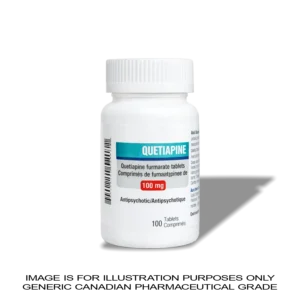
Quetiapine is an atypical antipsychotic medication used in the treatment of schizophrenia and bipolar disorder. It is the active ingredient commonly associated with the brand name Seroquel® and is supplied as quetiapine fumarate in oral tablet formulations.
Quetiapine produces its therapeutic effects primarily through activity at dopamine D2 and serotonin 5 HT2A receptors in the central nervous system. By modulating these neurotransmitter systems, quetiapine can help reduce psychotic symptoms and stabilize mood in appropriately diagnosed patients.
Quetiapine also interacts with several other receptor systems. It has significant activity at histamine H1 receptors, which contributes to its sedating properties, as well as alpha 1 adrenergic receptors, which can contribute to dizziness and orthostatic hypotension. Its active metabolite, norquetiapine, also contributes to the medication’s overall pharmacological activity.
Quetiapine is used clinically for conditions including schizophrenia and bipolar disorder, including manic and depressive episodes. The specific indication, dose and treatment schedule depend on the patient’s diagnosis, clinical response, concurrent medications and individual medical factors.
This product provides:
- Active Ingredient: Quetiapine
- Form: Quetiapine Fumarate
- Strength: 25mg per tablet
- Quantity: 100 Tablets
- Drug Class: Atypical Antipsychotic
- Dosage Form: Oral Tablet
The 25mg strength is commonly used when initiating or gradually adjusting quetiapine therapy, although treatment requirements vary significantly according to the condition being treated.
Common adverse effects can include drowsiness, dizziness, dry mouth, constipation, fatigue, increased appetite and weight gain. Because of its sedating effects, quetiapine can impair alertness, particularly when treatment is first started or the dose is changed.
Atypical antipsychotic medications can also produce metabolic changes, including increases in blood glucose, cholesterol and triglyceride levels, as well as changes in body weight. Appropriate monitoring may therefore be recommended during long term treatment.
Other important risks include orthostatic hypotension, abnormal heart rhythms, tardive dyskinesia, neuroleptic malignant syndrome, seizures and changes in blood cell counts. Quetiapine is also associated with an increased mortality risk when antipsychotics are used in elderly patients with dementia related psychosis and is not approved for that purpose.
Quetiapine should not generally be stopped suddenly after regular treatment unless directed by a healthcare professional. Abrupt discontinuation can produce symptoms such as insomnia, nausea, headache, dizziness and irritability.
Quetiapine is a prescription medication and should be used according to the directions and monitoring recommendations of a qualified healthcare professional.