Propranolol is a non selective beta adrenergic receptor blocker (beta blocker) used in the management of several cardiovascular and neurological conditions. It blocks both beta 1 and beta 2 adrenergic receptors, reducing the effects of adrenaline and noradrenaline throughout the body.
By blocking beta 1 receptors in the heart, propranolol reduces heart rate, cardiac contractility, and cardiac workload. These effects contribute to its established use in the management of hypertension, angina, certain cardiac arrhythmias, and cardiovascular care following myocardial infarction in appropriate patients.
Propranolol is also used for the prevention of migraine headaches and the management of essential tremor. For migraine, it is used as a preventative medication rather than as a treatment for a migraine attack that has already started. In essential tremor, propranolol can reduce the amplitude of involuntary shaking.
Because propranolol reduces the body’s response to adrenaline, it is also commonly prescribed off label for situational or performance related anxiety. In this setting, it primarily targets physical symptoms such as a racing heartbeat, shaking, sweating, and tremor rather than directly treating anxious thoughts.
This product provides:
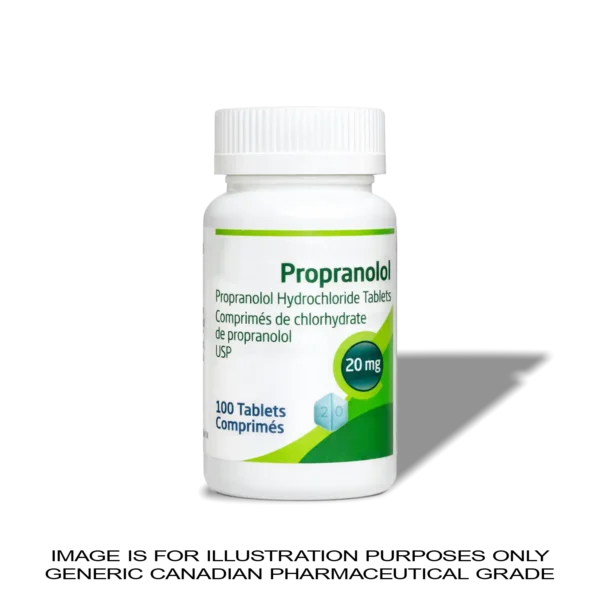
- Active Ingredient: Propranolol Hydrochloride
- Strength: 20mg per tablet
- Quantity: 100 Tablets
- Drug Class: Non Selective Beta Blocker
- Dosage Form: Oral Tablet
- Common Uses: Blood pressure, heart rate control, migraine prevention and essential tremor
Propranolol’s beta 2 receptor blockade is an important safety consideration because beta 2 receptors also help regulate the airways. Current prescribing information lists bronchial asthma as a contraindication, along with conditions such as cardiogenic shock, significant bradycardia, and certain heart blocks.
Other potential adverse effects can include dizziness, fatigue, slow heart rate, low blood pressure, cold extremities, sleep disturbances, and gastrointestinal symptoms. Propranolol can also mask some warning signs of low blood sugar, particularly an increased heart rate, which is relevant for people with diabetes or those susceptible to hypoglycemia.
Propranolol should generally not be discontinued abruptly after regular use, particularly in patients with coronary artery disease. Sudden withdrawal has been associated with worsening angina and, in some cases, myocardial infarction. When treatment is discontinued, prescribing information recommends gradual reduction under medical supervision.
Propranolol is a prescription medication and should be used according to the directions of a qualified healthcare professional.