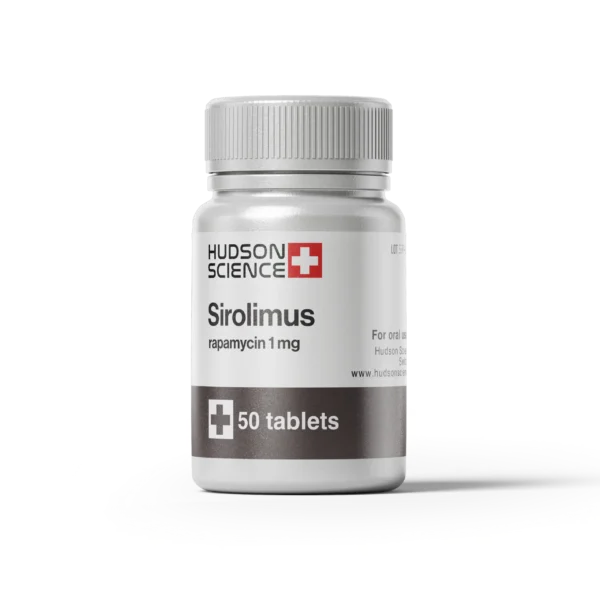
Sirolimus, also known as rapamycin, is a potent mammalian target of rapamycin (mTOR) inhibitor with established immunosuppressive activity. Sirolimus was originally isolated from Streptomyces hygroscopicus and is medically used primarily to help prevent organ rejection in patients receiving kidney transplants. Health Canada lists Rapamune and generic sirolimus 1mg tablets as prescription medications.
At the molecular level, sirolimus binds to the intracellular protein FKBP-12 (FK506 binding protein 12). The resulting sirolimus FKBP12 complex inhibits mTOR, a serine/threonine kinase that plays a central role in regulating cellular growth, protein synthesis, metabolism, proliferation, and responses to nutrients and growth factors.
In immune cells, inhibition of mTOR interferes with signaling triggered by cytokines such as interleukin 2 (IL 2) and reduces activation and proliferation of T lymphocytes. This suppression of immune cell expansion is responsible for sirolimus’s established role in preventing immune mediated rejection of transplanted organs.
Sirolimus differs mechanistically from calcineurin inhibitors such as tacrolimus and cyclosporine. Rather than directly inhibiting calcineurin signaling, sirolimus acts further downstream through the mTOR pathway, ultimately limiting cell cycle progression and lymphocyte proliferation.
Beyond transplantation, mTOR is a major research target because the pathway regulates cellular nutrient sensing, autophagy, protein synthesis, metabolism, and cellular growth. Rapamycin and related mTOR inhibitors have therefore generated considerable scientific interest in research examining aging biology and longevity. These applications remain experimental; sirolimus is not approved as an anti aging or longevity medication.
This product provides:
- Active Ingredient: Sirolimus (Rapamycin)
- Strength: 1mg per tablet
- Quantity: 50 Tablets
- Drug Class: mTOR Inhibitor / Immunosuppressant
- Dosage Form: Oral Tablet
- Established Use: Prevention of organ rejection following renal transplantation
Sirolimus has a narrow therapeutic range, and blood concentrations are commonly monitored during established medical treatment. Drug exposure can be significantly altered by medications and substances that affect CYP3A4 and P glycoprotein (P gp). Strong inhibitors can substantially increase sirolimus concentrations, while strong inducers can reduce exposure and potentially decrease effectiveness.
Because sirolimus suppresses immune activity, one of its most important risks is increased susceptibility to infection. Immunosuppressive therapy can also increase the risk of lymphoma and other malignancies, particularly cancers of the skin. Current prescribing information therefore recommends that sirolimus for transplant immunosuppression be managed by physicians experienced in immunosuppressive therapy.
Other clinically important effects can include elevated cholesterol and triglycerides, reduced blood cell counts, impaired wound healing, mouth ulcers, edema, proteinuria, and abnormalities in kidney or liver related laboratory parameters. Monitoring requirements depend on the clinical indication and accompanying medications.
Sirolimus carries specific warnings regarding use following liver and lung transplantation, where safety and efficacy as an immunosuppressant have not been established and serious complications have been observed.
Sirolimus 1mg is a prescription medication in Canada and should be used under appropriate medical supervision.