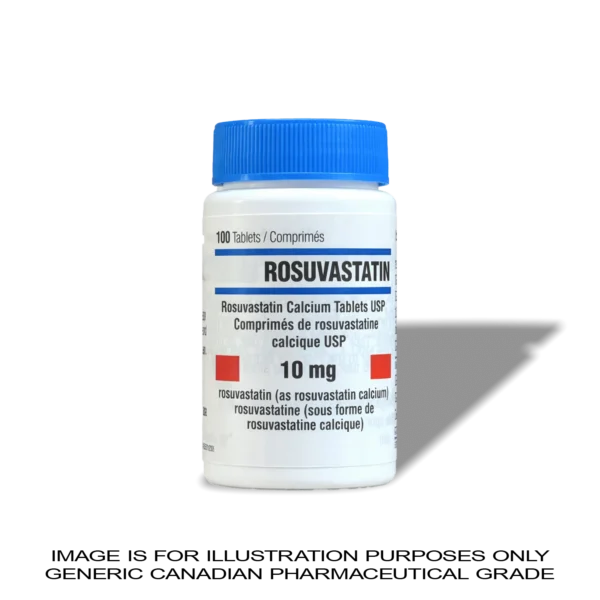
Crestor contains rosuvastatin, a prescription cholesterol lowering medication belonging to the statin class, also known as HMG CoA reductase inhibitors. Rosuvastatin is used to lower elevated cholesterol levels and reduce cardiovascular risk in appropriately selected patients with hyperlipidemia or other risk factors for cardiovascular disease. Rosuvastatin works by selectively and competitively inhibiting HMG CoA reductase, the rate limiting enzyme involved in cholesterol production within the liver. Reducing hepatic cholesterol synthesis causes liver cells to increase the number of LDL receptors on their surface, allowing more low density lipoprotein cholesterol (LDL-C) to be removed from the bloodstream.
LDL cholesterol is commonly referred to as “bad cholesterol” because elevated levels can contribute to the development of atherosclerotic plaque within arteries. By substantially lowering LDL-C, rosuvastatin helps reduce one of the major modifiable risk factors associated with cardiovascular disease. In addition to reducing LDL cholesterol, rosuvastatin can lower total cholesterol, triglycerides, non HDL cholesterol, and apolipoprotein B, while producing modest increases in high density lipoprotein cholesterol (HDL-C) in some patients.
Rosuvastatin is used in the treatment of primary hyperlipidemia, mixed dyslipidemia, and certain inherited cholesterol disorders, including familial hypercholesterolemia. Statin therapy may also be used to reduce the risk of cardiovascular events such as heart attack and stroke in patients whose overall cardiovascular risk warrants treatment.
This product provides:
- Active Ingredient: Rosuvastatin
- Common Form: Rosuvastatin Calcium
- Brand: Crestor
- Strength: 10mg per tablet
- Quantity: 100 Tablets
- Drug Class: HMG CoA Reductase Inhibitor / Statin
- Dosage Form: Oral Tablet
- Common Uses: High cholesterol and cardiovascular risk reduction
The 10mg strength is a commonly prescribed rosuvastatin formulation. Treatment requirements vary depending on baseline cholesterol levels, cardiovascular risk, treatment goals, kidney and liver function, and other medications being used. One of the most important safety considerations associated with rosuvastatin is muscle toxicity. Statins can occasionally cause unexplained muscle pain, tenderness, or weakness, and rare cases can progress to rhabdomyolysis, a serious breakdown of muscle tissue that can affect kidney function. Rosuvastatin can also cause changes in liver enzymes, and liver related symptoms or significant laboratory abnormalities may require medical assessment. Statins can additionally produce small increases in blood glucose and HbA1c levels in some patients.
Rosuvastatin has fewer CYP3A4 mediated interactions than some other statins, but clinically important interactions can still occur with medications that affect rosuvastatin transport or elimination. Other prescription medications and supplements should therefore be reviewed by a healthcare professional. Patients taking rosuvastatin should seek medical assessment for unexplained persistent muscle weakness or pain, particularly when accompanied by fever, unusual fatigue, or dark colored urine.
Crestor (rosuvastatin) is a prescription medication and should be used according to the directions and monitoring recommendations of a qualified healthcare professional.