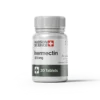
Ivermectin is a broad spectrum antiparasitic medication belonging to the avermectin class of compounds. Oral ivermectin is used in human medicine for the treatment of specific parasitic infections and is particularly established for intestinal strongyloidiasis caused by Strongyloides stercoralis and onchocerciasis, also known as river blindness, caused by Onchocerca volvulus.
Ivermectin produces its antiparasitic activity primarily by interacting with glutamate gated chloride channels found in the nerve and muscle cells of many invertebrate parasites. This increases chloride ion permeability, resulting in hyperpolarization of parasite cells followed by paralysis and death of susceptible organisms.
These glutamate gated chloride channels are not present in humans, contributing to ivermectin’s selective activity against susceptible parasites when used at medically appropriate exposures. Ivermectin may also interact with other ligand gated chloride channels within parasites, contributing to its overall antiparasitic effect.
For strongyloidiasis, ivermectin targets the intestinal stages of Strongyloides stercoralis. This parasitic roundworm can persist in the body for extended periods through an autoinfection cycle, making effective antiparasitic treatment particularly important in susceptible patients. Current oral ivermectin prescribing information recognizes ivermectin as an established treatment for intestinal strongyloidiasis.
Ivermectin is also used for onchocerciasis, where treatment primarily reduces microfilariae the immature form of the parasite within the skin and other tissues. It does not reliably eliminate adult Onchocerca worms, so retreatment may sometimes be necessary as determined by a healthcare professional.
Depending on the jurisdiction and clinical situation, ivermectin is also used for other parasitic conditions, including certain cases of scabies and lice, although these applications may be off label depending on the specific product and country.
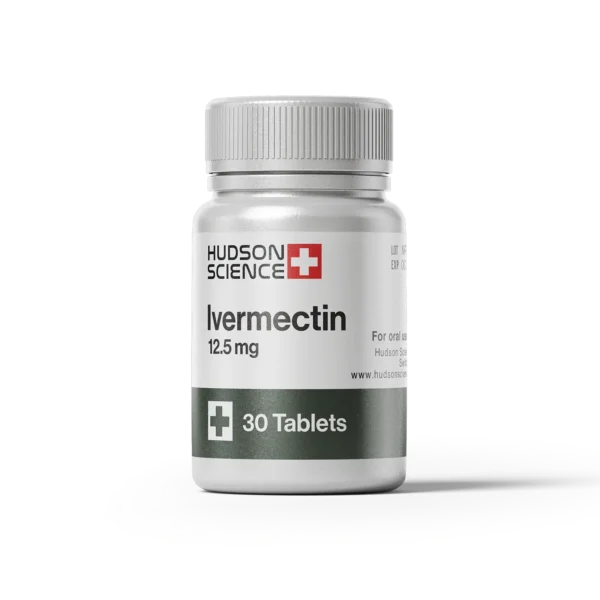
This product provides:
- Active Ingredient: Ivermectin
- Strength: 12.5mg per tablet
- Quantity: 30 Tablets
- Drug Class: Antiparasitic / Anthelmintic
- Dosage Form: Oral Tablet
- Common Uses: Treatment of susceptible parasitic infections
Ivermectin is a prescription medication for human use in Canada. Health Canada’s Drug Product Database lists oral human ivermectin tablets as prescription products.
The amount of ivermectin required for established parasitic infections is generally determined according to body weight and the particular infection being treated, rather than simply by tablet strength. Treatment should therefore be determined by a qualified healthcare professional rather than self selected from the tablet strength.
Potential adverse effects can include dizziness, nausea, diarrhea, abdominal discomfort, fatigue, headache, and skin reactions. The type and severity of adverse effects can also depend on the parasite being treated and the body’s inflammatory response to dying parasites.
Neurological adverse effects are uncommon at appropriate therapeutic exposure but can become serious in cases of excessive exposure or particular susceptibility. Ivermectin should therefore be used only according to appropriate medical guidance.
Ivermectin is an antiparasitic medication and is not an approved treatment for viral infections such as COVID 19. Its established medical role is the treatment of specific susceptible parasitic infections.