Gabapentin is an anticonvulsant and neuropathic pain medication used primarily for certain types of nerve pain and seizure disorders. Although gabapentin is structurally related to the neurotransmitter gamma aminobutyric acid (GABA), it does not directly bind to GABA receptors or significantly alter GABA uptake or metabolism.
Gabapentin instead binds with high affinity to the alpha 2 delta (α2δ) subunit of voltage gated calcium channels within the central nervous system. This interaction is believed to reduce the release of excitatory neurotransmitters and decrease abnormal neuronal signaling associated with neuropathic pain and seizures. The exact relationship between α2δ binding and gabapentin’s therapeutic effects has not been completely established.
Gabapentin has an established indication for the treatment of postherpetic neuralgia in adults, a form of persistent nerve pain that can develop following shingles. It is also used as adjunctive therapy for partial onset seizures, with or without secondary generalization, in patients with epilepsy.
In clinical practice, gabapentin is also frequently prescribed for other forms of neuropathic nerve pain, although the approved indication can vary according to jurisdiction and product formulation.
Unlike opioid pain medications, gabapentin does not produce its therapeutic activity through opioid receptors. Its effects are instead associated primarily with modulation of neuronal calcium channels and abnormal nerve signaling.
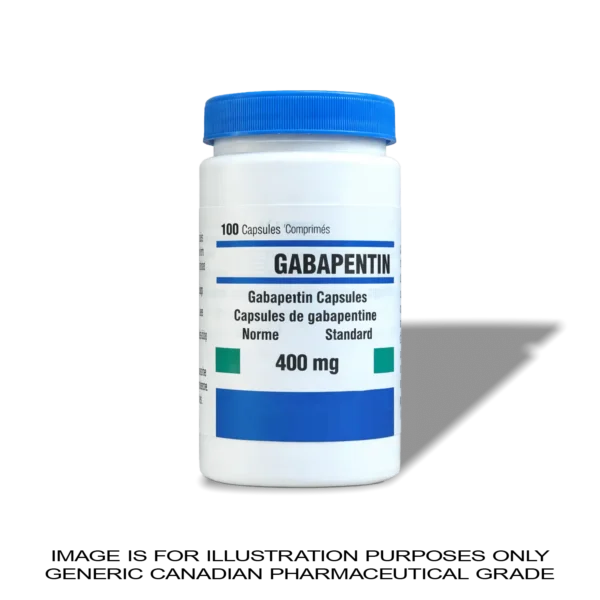
This product provides:
- Active Ingredient: Gabapentin
- Strength: 400mg per capsule
- Quantity: 100 Capsules
- Drug Class: Anticonvulsant / Neuropathic Pain Medication
- Dosage Form: Oral Capsule
- Common Uses: Neuropathic pain and adjunctive seizure treatment
Gabapentin is not appreciably metabolized by the human body and is eliminated primarily unchanged through the kidneys. Kidney function is therefore an important consideration, and dose adjustment may be required in patients with reduced renal function.
Common adverse effects include dizziness, drowsiness, fatigue, coordination difficulties, and peripheral swelling. Because gabapentin can impair alertness and coordination, patients should understand how the medication affects them before driving or operating machinery.
Gabapentin can also cause respiratory depression, particularly when combined with opioids or other central nervous system depressants, or in individuals with underlying respiratory impairment. Combining gabapentin with alcohol, sedatives, or opioid medications can increase drowsiness and other central nervous system effects.
Antiepileptic medications including gabapentin have also been associated with an increased risk of suicidal thoughts or behavior in a small proportion of patients. Significant changes in mood or behavior should be medically assessed.
Gabapentin should generally not be stopped abruptly after regular treatment. Rapid discontinuation can increase seizure frequency in patients with epilepsy and may produce withdrawal symptoms. Treatment should therefore normally be reduced gradually under medical supervision.
Gabapentin is a prescription medication and should be used according to the directions of a qualified healthcare professional.