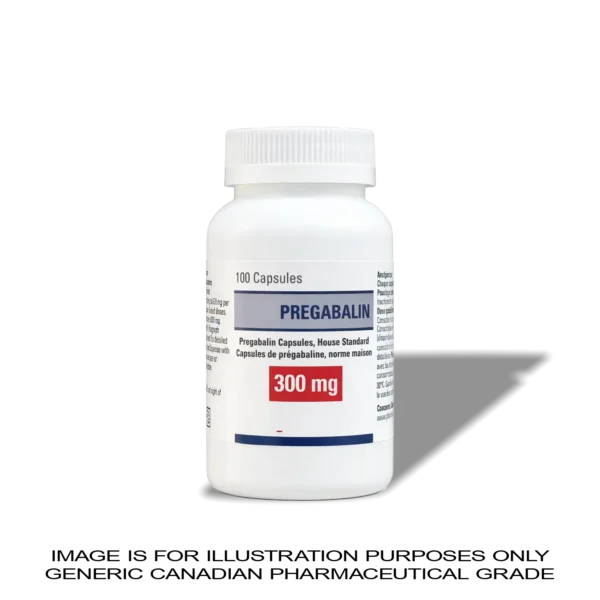
Lyrica contains pregabalin, a prescription medication belonging to the gabapentinoid class. Pregabalin is primarily used for the management of neuropathic pain, which occurs when damaged or dysfunctional nerves produce abnormal pain signaling. It also has anticonvulsant properties and is used as adjunctive therapy for certain seizure disorders.
Pregabalin is structurally related to gamma aminobutyric acid (GABA), but it does not act directly on GABA receptors. Instead, it binds with high affinity to the alpha 2 delta (α2δ) subunit of voltage gated calcium channels within the central nervous system. This reduces calcium dependent release of excitatory neurotransmitters and decreases excessive neuronal signaling involved in neuropathic pain and seizures.
Lyrica has established uses for several forms of neuropathic pain, including diabetic peripheral neuropathy, postherpetic neuralgia, and neuropathic pain associated with spinal cord injury. It is also indicated for the management of fibromyalgia and as adjunctive therapy for partial onset seizures.
Unlike opioid pain medications, pregabalin does not achieve its therapeutic effect through opioid receptors. Its activity is based primarily on modulation of neuronal calcium channels and neurotransmitter release, making its mechanism distinct from conventional opioid analgesics.
This product provides:
- Active Ingredient: Pregabalin
- Brand: Lyrica
- Strength: 300mg per capsule
- Quantity: 100 Capsules
- Drug Class: Gabapentinoid / Anticonvulsant
- Dosage Form: Oral Capsule
- Common Uses: Neuropathic pain, fibromyalgia and adjunctive seizure treatment
The 300mg capsule is a high individual strength, and appropriate total daily dosing varies according to the condition being treated, treatment response and kidney function. Pregabalin is eliminated primarily through renal excretion, making dose adjustment important in patients with impaired kidney function.
Common adverse effects associated with pregabalin include dizziness, drowsiness, blurred vision, difficulty concentrating, peripheral edema, increased appetite and weight gain. These effects can impair coordination and alertness, particularly when treatment is initiated or the dose is changed.
Pregabalin can also contribute to respiratory depression, particularly when combined with opioids, sedatives or other central nervous system depressants, or in patients with underlying respiratory risk factors. Alcohol and other substances that increase sedation can intensify these effects.
Pregabalin should generally not be discontinued abruptly after regular use. Current prescribing information recommends gradually reducing treatment over a minimum of one week because sudden discontinuation can produce withdrawal symptoms and may increase seizure risk in susceptible patients.