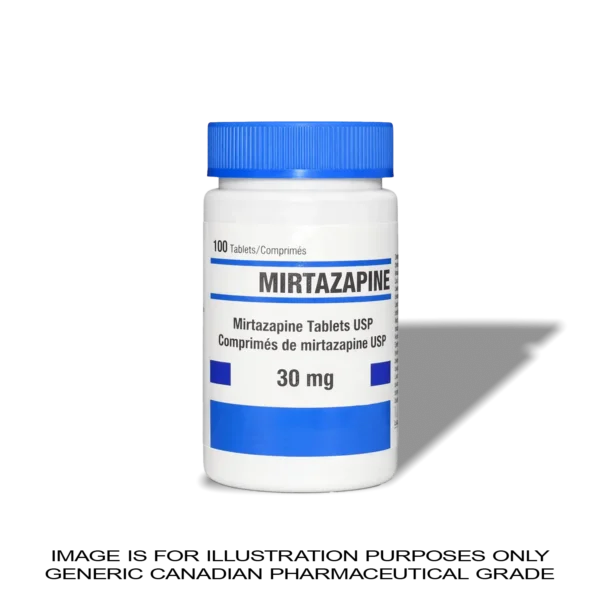
Mirtazapine is a tetracyclic antidepressant primarily used for the treatment of major depressive disorder (MDD) in adults. Unlike selective serotonin reuptake inhibitors (SSRIs), mirtazapine does not primarily work by blocking serotonin reuptake. Instead, its antidepressant activity is believed to result from enhancing both noradrenergic and serotonergic neurotransmission within the central nervous system.
At the molecular level, mirtazapine acts as an antagonist at central presynaptic alpha 2 adrenergic auto receptors and heteroreceptors. Blocking these inhibitory receptors increases the release of noradrenaline and serotonin, helping enhance signaling through neurological pathways involved in mood and emotional regulation.
Mirtazapine also blocks specific serotonin receptors, particularly 5 HT2 and 5 HT3 receptors. This receptor profile differentiates it pharmacologically from many other antidepressants and contributes to its characteristic clinical effects.
Another important feature of mirtazapine is its strong antagonism of histamine H1 receptors. This activity contributes to its prominent sedating effect and explains why mirtazapine can cause drowsiness and is sometimes prescribed when depression is accompanied by significant sleep disturbance.
Mirtazapine can also increase appetite and body weight in some patients. For this reason, its clinical profile may differ from antidepressants that more commonly reduce appetite or produce gastrointestinal effects.
This product provides:
- Active Ingredient: Mirtazapine
- Strength: 30mg per tablet
- Quantity: 100 Tablets
- Drug Class: Tetracyclic Antidepressant
- Dosage Form: Oral Tablet
- Primary Indication: Major Depressive Disorder
Common adverse effects associated with mirtazapine include sleepiness, increased appetite, weight gain, dizziness and dry mouth. Because of its sedating effects, patients should understand how the medication affects them before driving or performing activities requiring alertness.
Like other antidepressants, mirtazapine carries a warning regarding an increased risk of suicidal thoughts and behaviors in pediatric and young adult patients, particularly during the early stages of treatment or following changes in therapy. Patients should be appropriately monitored for worsening depression or significant behavioral changes.
Mirtazapine also has serotonergic activity, and serotonin syndrome can occur when it is combined with certain other medications that increase serotonin levels. Symptoms can include agitation, confusion, increased heart rate, sweating, muscle rigidity and changes in body temperature.
Rare but clinically significant reductions in certain white blood cells, including neutropenia and agranulocytosis, have also been reported with mirtazapine. Signs of infection such as persistent fever or sore throat should be medically assessed.
Mirtazapine should generally not be discontinued abruptly after regular treatment. Gradual dose reduction may be recommended to reduce the likelihood of discontinuation symptoms such as dizziness, agitation, anxiety, headache, nausea or sleep disturbances.
Mirtazapine is a prescription medication and should be used according to the directions of a qualified healthcare professional.