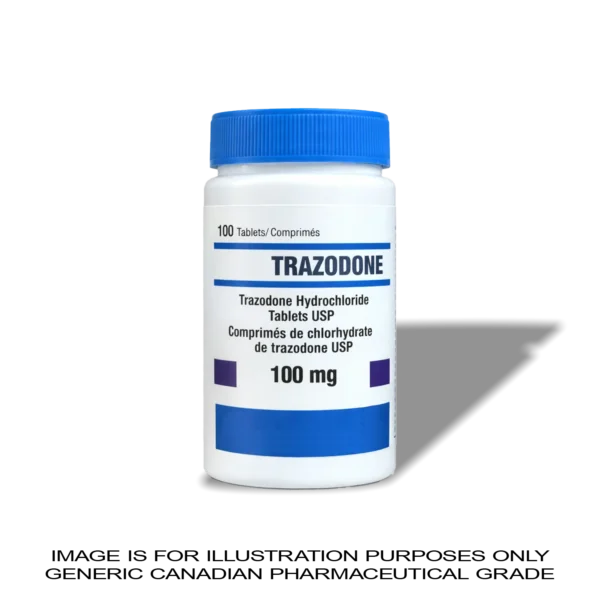
Trazodone is a serotonergic antidepressant primarily indicated for the treatment of major depressive disorder (MDD) in adults. It has a distinctive pharmacological profile that combines inhibition of serotonin reuptake with antagonism of specific serotonin receptors, which is why trazodone is often described as a serotonin antagonist and reuptake inhibitor (SARI). Current prescribing information describes trazodone as both a serotonin reuptake inhibitor and a 5 HT2 receptor antagonist.
Trazodone inhibits the serotonin transporter (SERT), reducing the reuptake of serotonin into presynaptic nerve cells and increasing serotonin availability within the synaptic space. It also blocks several serotonin receptors, particularly 5 HT2A receptors, helping modify serotonergic signalling involved in mood, anxiety, and sleep regulation. Its overall antidepressant action is believed to result from enhancement and modulation of serotonin activity within the central nervous system.
Trazodone also interacts with alpha adrenergic and histamine related pathways, contributing to several of its characteristic clinical effects. In particular, its sedating properties have led to widespread off label use for insomnia and difficulty maintaining sleep, especially when sleep disturbance occurs alongside depression or anxiety. However, insomnia is not the primary approved indication of standard trazodone tablets.
For major depressive disorder, trazodone can help address symptoms including persistent low mood, loss of interest, changes in sleep, reduced motivation, and other symptoms associated with depression. Like other antidepressants, its therapeutic mood effects generally develop progressively rather than immediately.
This product provides:
- Active Ingredient: Trazodone Hydrochloride
- Strength: 100mg per tablet
- Quantity: 100 Tablets
- Drug Class: Serotonergic Antidepressant / SARI
- Dosage Form: Oral Tablet
- Primary Indication: Major Depressive Disorder
Health Canada’s Drug Product Database currently lists multiple trazodone hydrochloride 100mg tablets as marketed prescription medications in Canada.
One of trazodone’s most noticeable effects is drowsiness and sedation. Other common adverse effects can include dizziness, fatigue, blurred vision, gastrointestinal symptoms, and impaired alertness. Because trazodone may affect judgment and motor performance, patients should understand how it affects them before driving or performing activities requiring full concentration.
Trazodone can also cause orthostatic hypotension, where blood pressure falls when standing up, potentially producing dizziness or fainting. This effect may be more important in patients taking antihypertensive medications or those susceptible to low blood pressure.
Like other serotonergic antidepressants, trazodone can contribute to serotonin syndrome, particularly when combined with other medications that significantly increase serotonin activity. Important interacting medications can include other antidepressants, certain migraine medications, tramadol, lithium, and MAO inhibitors. MAO inhibitors should not be used concurrently with trazodone because of the increased risk of serotonin syndrome.
Trazodone can also affect cardiac electrical activity and has been associated with QT prolongation and cardiac arrhythmias in susceptible individuals. Particular caution may be required in patients with existing heart rhythm disorders or those taking other medications that prolong the QT interval.
A rare but medically important adverse effect associated with trazodone is priapism, a prolonged penile erection that can cause permanent tissue damage if not treated promptly. An erection lasting more than four hours requires immediate medical attention.
Antidepressants also carry warnings regarding possible increases in suicidal thoughts and behaviors in pediatric and young adult patients, particularly during early treatment or following dosage changes. Patients should be appropriately monitored for worsening depression or significant behavioral changes.
Trazodone should generally not be discontinued abruptly after regular use. Gradual dose reduction is recommended because sudden discontinuation can produce symptoms including dizziness, anxiety, irritability, sleep disturbances, nausea, headache, and sensory changes.
Trazodone is a prescription medication and should be used according to the directions and monitoring recommendations of a qualified healthcare professional.