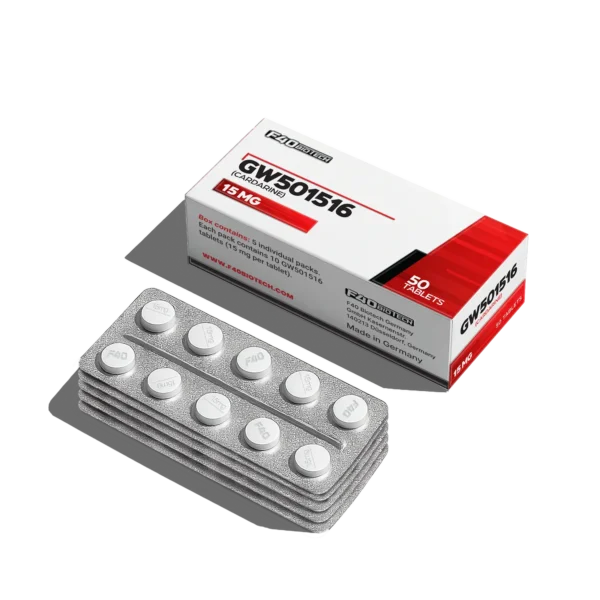
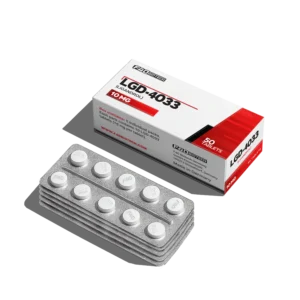
GW501516 (Cardarine) 15mg is a PPAR receptor agonist oral compound supplied in a 50 tablet pack. Manufactured for consistent potency, stability, and research applications.
Format50 Tablets
Concentration15mg
Pay with Interac e-Transfer or Crypto
HPLC verified. COA on file for this batch
Ships from within Canada; No Customs
Discreet plain packaging; always
24h dispatch; Tracked Delivery
GW501516, commonly known as Cardarine, is grouped within the SARM research category in common naming convention despite having no androgen receptor activity whatsoever, it is a PPAR delta (peroxisome proliferator activated receptor delta) agonist, placing it mechanistically alongside SR9009 rather than true SARMs like LGD-4033 or S23. This formulation delivers 15mg per tablet in a 50 count format, consistent with the concentration most frequently referenced in preclinical Cardarine research literature.
PPAR delta is a nuclear receptor that functions as a master regulator of fatty acid oxidation and metabolic gene expression in skeletal muscle, adipose tissue, and the liver. Cardarine’s agonist activity at PPAR delta upregulates genes involved in fatty acid transport and beta-oxidation, shifting cellular metabolic preference toward fat utilisation over glucose; a mechanism that has generated extensive preclinical research into its effects on endurance capacity, lipid profile modulation, and metabolic syndrome research models. Unlike SR9009’s Rev ErbA mediated circadian gene repression, Cardarine’s PPAR delta activation operates through a distinct nuclear receptor pathway with its own independent transcriptional targets, despite both compounds sharing the broader metabolic research classification and frequent product category grouping alongside SARMs.
Cardarine’s research history includes a notable and widely referenced safety finding long term high dose rodent studies identified increased incidence of multiple cancer types, a finding that has made it one of the most extensively cited cautionary examples in PPAR agonist research literature and a frequently referenced case study in discussions of carcinogenicity risk assessment for nuclear receptor targeting compounds. This research finding is a relevant consideration in comparative metabolic compound research and distinguishes Cardarine’s risk profile discussion from SR9009 and other metabolic research compounds in CSD’s range.
This formulation is stocked by Canada Steroid Depot following the same rigorous third party lab verification process applied to every product in our range. Each batch is tested for concentration accuracy and purity before being made available, with COA documentation available on request. All orders ship discreetly across Canada in plain, unmarked packaging with no identifying information on the exterior.
Store in a cool, dry place away from direct light and heat. Intended for research purposes only.
Commonly researched alongside SR9009 in comparative PPAR and Rev ErbA metabolic pathway studies. Browse CSD’s full SARM and metabolic research range for complete sourcing.
Cardarine (GW501516) is a PPARδ (Peroxisome Proliferator Activated Receptor delta) agonist originally developed jointly by GlaxoSmithKline and Ligand Pharmaceuticals for cardiovascular disease and metabolic syndrome research. Despite being frequently categorized alongside SARMs, Cardarine is not an androgen receptor modulator; it activates PPARδ receptors involved in fatty acid oxidation, glucose metabolism, mitochondrial biogenesis, and inflammatory modulation. It is researched for its dramatic endurance enhancing effects through increased fatty acid oxidation and mitochondrial density, significant lipid profile improvements including HDL elevation and LDL reduction, enhanced insulin sensitivity, and fat loss through preferential fatty acid substrate utilization during exercise.
GlaxoSmithKline discontinued Cardarine development in 2007 following carcinogenicity signals observed in long term rodent studies. Tumour development was observed in multiple tissue types in rats and mice administered Cardarine at high doses for extended periods. The relevance of these findings to short term human research use remains actively debated — the rodent studies used significantly higher doses than typical human research doses for significantly longer durations than typical research cycle lengths. Researchers should thoroughly review the complete carcinogenicity literature, including the original GSK study data before incorporating Cardarine into any research protocol. CSD stocks Cardarine for research purposes only with full awareness of the available safety literature.
No! Cardarine does not interact with androgen receptors or the HPG axis in any way. It produces no testosterone suppression, no LH or FSH reduction, and requires no post cycle therapy. This makes it one of the most practically accessible performance research compounds from a hormonal management perspective; it can be run standalone or stacked with any other research compound without adding suppression management complexity. The primary safety consideration with Cardarine is the carcinogenicity literature rather than hormonal effects.
Cardarine has a half-life of approximately 16–24 hours, once daily administration is sufficient to maintain stable PPARδ activation throughout the research protocol. Morning administration is the most common research schedule. Some protocols time administration 1–2 hours before exercise to maximize the acute fatty acid oxidation effects during training. Common research doses range from 10–20mg daily, the 15mg tablet sits at the midpoint of this range, covering a practical intermediate research dose. The 50 tablet pack at 15mg provides 750mg total, sufficient for a complete 50 day research cycle at once daily 15mg dosing.
Yes! This batch has been independently HPLC tested by an accredited third party laboratory confirming concentration accuracy at 15mg per tablet and compound identity as GW501516 (Cardarine). A certificate of analysis is available.