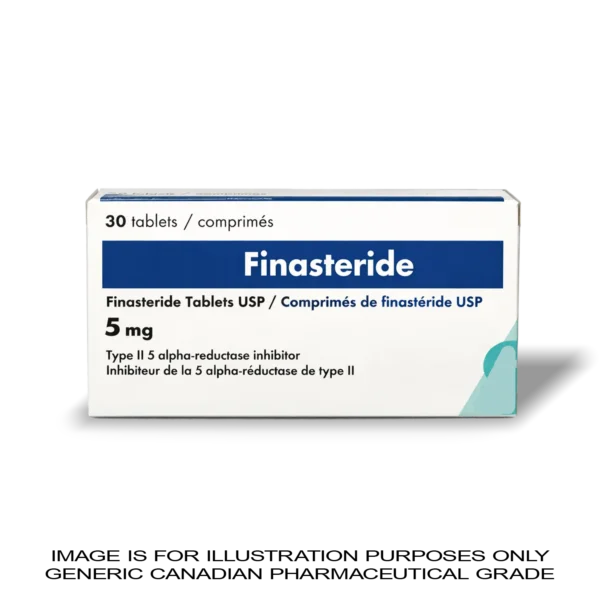
Finasteride is an oral 5 alpha reductase inhibitor that reduces the conversion of testosterone into dihydrotestosterone (DHT), an androgen involved in prostate growth and androgen sensitive hair follicles. The 5mg strength is primarily indicated for the treatment of symptomatic benign prostatic hyperplasia (BPH) in men with an enlarged prostate.
Finasteride selectively inhibits Type II 5α reductase, the enzyme responsible for converting testosterone into DHT in tissues including the prostate. By reducing circulating and tissue DHT concentrations, finasteride can gradually decrease prostate volume and improve urinary symptoms associated with BPH.
In men with an enlarged prostate, finasteride 5mg is used to help improve urinary symptoms and reduce the risk of acute urinary retention and the need for BPH related surgery, including procedures such as transurethral resection of the prostate or prostatectomy. Clinical improvement can develop gradually over several months as DHT suppression leads to reduction in prostate size.
DHT also plays an important role in androgenetic alopecia (male pattern hair loss). Finasteride is approved for male pattern hair loss at a lower 1mg strength, while the 5mg formulation is specifically intended for BPH.
This product provides:
- Active Ingredient: Finasteride
- Strength: 5mg per tablet
- Quantity: 30 Tablets
- Drug Class: 5 Alpha Reductase Inhibitor
- Primary 5mg Indication: Benign Prostatic Hyperplasia (BPH)
Finasteride 5mg products are classified as prescription medications in Canada.
Because finasteride lowers PSA concentrations, patients undergoing prostate cancer screening should inform their healthcare provider that they are taking the medication. Prescribing information notes that PSA levels may decrease by approximately 50%, so results require appropriate clinical interpretation during treatment.
Potential adverse effects include decreased libido, erectile dysfunction, reduced ejaculate volume, ejaculation disorders, and breast tenderness or enlargement. Post marketing reports have also included persistent sexual dysfunction, depression, fertility related changes, and other adverse effects, although these do not occur in everyone taking the medication.
Finasteride is contraindicated during pregnancy because inhibition of DHT can interfere with development of the external genitalia of a male fetus. Pregnant individuals or those who may become pregnant should not handle crushed or broken finasteride tablets. Intact coated tablets prevent normal contact with the active ingredient.
Finasteride should be used according to the directions of a qualified healthcare professional, with appropriate monitoring based on the condition being treated.